With the rise of remote work , effective management of remote teams has become more important than ever before. Managers need to adapt their leadership style and implement best practices to ensure productivity, collaboration and employee satisfaction. In this post, we will explore ten essential best practices for managing remote teams, and why Zight is the ideal communication app to make team alignment seamless.
1. Establish Clear Communication Channels
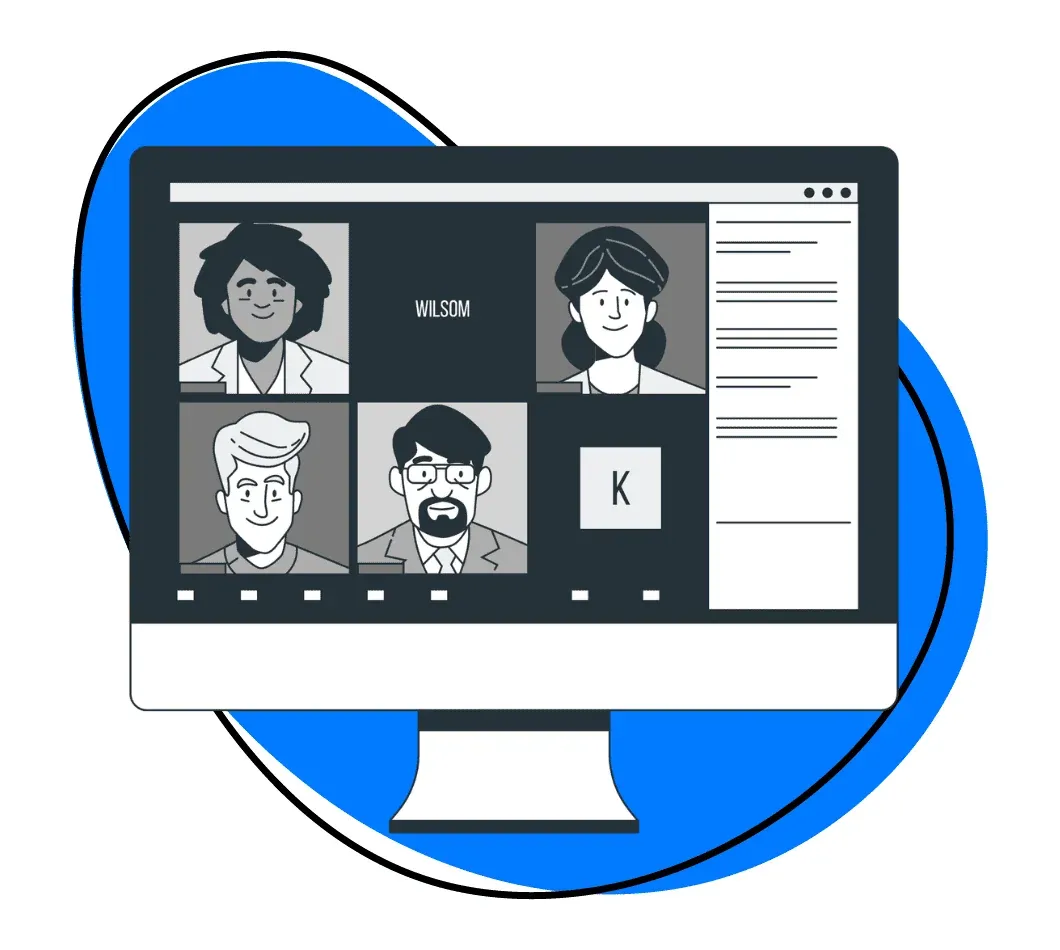
Clear and open communication is crucial when managing remote teams. We all, by default, utilize various communication tools like email, instant messaging, and video conferencing to ensure everyone stays connected and informed. It’s important to train all members of your team the purpose of each channel and what communication is best suited for each. An over-reliance upon instant messaging, for example, can easily burnout remote or distributed teams due to different time zones. Ensure these channels’ purposes and rules are defined and documented for all team members, when training and onboarding .
2. Set Clear Expectations and Goals
Clearly define roles, responsibilities, and performance expectations for each team member. When you establish measurable goals and provide regular feedback and support, your remote team members stay focused and motivated. It can be difficult to maintain this level of motivation across the board when you aren’t sitting next to that person 8 hours per day. Incorporating a project manager such as Jira , and utilizing the task management features, can help track progress and ensure everyone is aligned.
3. Foster a Positive Team Culture
Create a virtual team environment that promotes camaraderie, collaboration, and mutual support. Encourage team members to engage in non-work-related conversations and organize virtual team-building activities. A favorite Slack channel of Zight’s team is our #watercooler channel, as it helps facilitate team bonding and create a sense of belonging for everyone.
4. Encourage Regular Check-ins
Schedule regular one-on-one meetings and team meetings to keep the lines of communication open. These check-ins provide an opportunity to address concerns, provide guidance, and offer support. The face-to-face time is critical for emotional context and support. Remember these check-ins do not necessarily need to be weekly. If calendars are overcrowded, make them biweekly and do an asynchronous update with a screen recording to stay on the same page.
5. Embrace Flexible, Async Work Time
Remote work offers flexibility, allowing team members to work at their most productive times. When do you work best? Many people’s ideal “deep work” time is in the mornings. Once you’re able to acknowledge your own ideal workday, you can acknowledge and respect other team members’ schedules, and encourage a healthy work-life balance.
6. Promote Knowledge Sharing
One of the keys to knowledge sharing is documentation. Having an organized and documented knowledge base for both internal and external use can keep everyone, quite literally, on the same page. Additionally, knowledge sharing is not just a task or a to do; it’s a culture. A manager must emphasize the importance of knowledge sharing within the team, encourage open communication, value diverse perspectives, and create a safe environment where team members feel comfortable sharing their ideas and insights.
7. Incorporate an Async Communication Strategy
With remote teams it’s easy for communication channels to become cluttered. Often text threads can become long and confusing. Meetings are over-scheduled, block after block crowds calendars. Zight offers a comprehensive suite of visual communication features, making it easy to connect and collaborate with your remote team members using annotated screen recordings , screenshots and even GIFs . Keep calendars clear, and incorporate visual asynchronous communication into your internal communication strategy so people don’t suffer from burnout.
8. Recognize and Appreciate Achievements
Remote employees often miss out on the immediate recognition received in a traditional office environment. Make an effort to acknowledge and appreciate their achievements publicly. There are many apps like bonusly with built-in recognition and rewards systems that can help foster a culture of appreciation and motivate your remote team members.
9. Prioritize Work-Life Balance
Remote work blurs the line between personal and professional life, making it crucial to encourage a healthy work-life balance. Encourage your team members to take breaks, establish boundaries, and disconnect from work when needed. With Zight, team members can use visual async messaging tools for sharing off-hours, so the content can be consumed at any time that works best for them.
10. Continuously Adapt and Improve
Remote work is a dynamic environment, and as a manager, you should continually seek feedback and adapt your management style accordingly. Regularly solicit input from your remote team members and make adjustments to processes and workflows as needed. You can do this through employee feedback surveys, so your direct reports can share thoughts, opinions, and experiences of their work day in a safe manner.