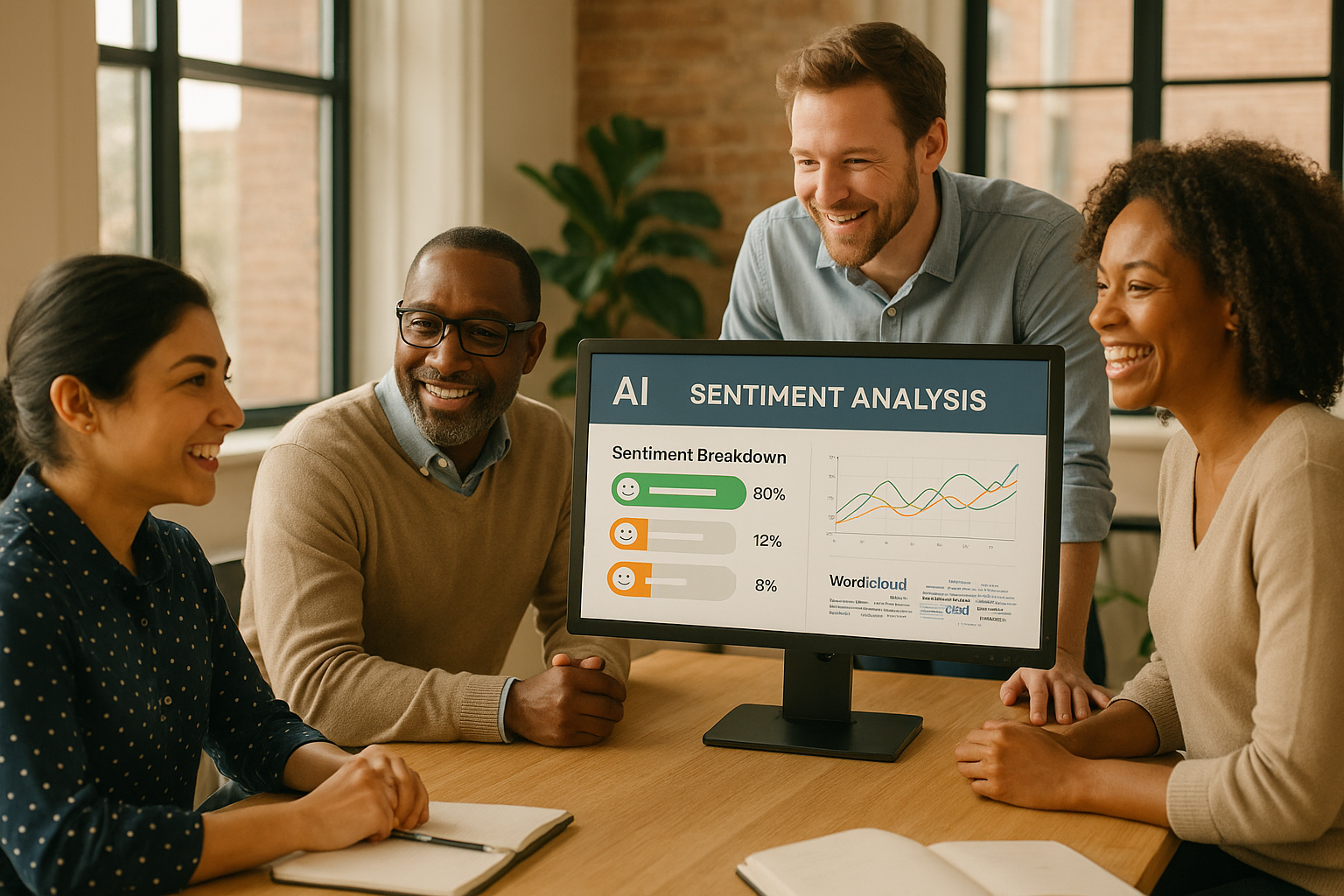
AI sentiment analysis uses natural language processing (NLP) and machine learning to evaluate emotional tone in team communication. It helps identify positive, negative, or neutral sentiments in real-time across emails, chats, and meeting transcripts. This technology bridges gaps in text-based communication, especially for remote teams, by flagging potential misunderstandings, toxic patterns, or disengagement early.
Key Benefits:
- Real-time feedback: Detects tone issues instantly, helping teams resolve conflicts faster.
- Improves clarity: Suggests rephrased messages to reduce miscommunication.
- Boosts engagement: Tracks emotional trends to identify disengaged team members.
- Supports managers: Provides actionable insights for better team dynamics.
Practical Uses:
- Scans emails and chats for unclear or negative language.
- Flags rising negativity in team discussions.
- Monitors participation and emotional tone during meetings.
Organizations using AI sentiment tools report fewer conflicts, improved morale, and better retention rates. These tools integrate with platforms like Slack and Microsoft Teams, ensuring smooth implementation while respecting privacy. By analyzing communication patterns, managers can address issues early, enhancing team productivity and cohesion.
How AI Sentiment Analysis Works in Communication Platforms
Technology Behind Sentiment Analysis
AI sentiment analysis relies on a combination of natural language processing (NLP) and machine learning algorithms to interpret emotional cues in team communications. NLP enables the system to grasp patterns in human language, while machine learning models are trained on vast datasets to identify words, phrases, and contexts that indicate positive, negative, or neutral emotions.
The process involves breaking down each message, examining elements like words, phrases, punctuation, and even timing. For example, it can differentiate between an immediate “Great job!” after a project and a delayed, slightly altered repetition of the same phrase, detecting subtle shifts in tone.
In communication platforms, this technology can analyze thousands of messages simultaneously. It identifies discussion topics and evaluates the sentiment of each conversation thread. Over time, the AI models improve their accuracy by learning from new data, honing their ability to pick up on nuanced emotional cues like sarcasm, frustration, or genuine excitement.
Context plays a big role too. Machine learning algorithms assess factors such as response timing. If someone takes an unusually long time to reply, the system might flag it as a sign of hesitation or communication stress. These insights contribute to a broader understanding of team sentiment and dynamics.
Data Sources for Analysis
To deliver meaningful insights, sentiment analysis pulls data from a variety of communication channels. The primary sources include chat messages from platforms like Slack and Microsoft Teams, email exchanges, meeting transcripts, and comments on shared files or project management tools.
Each type of data provides different perspectives on team sentiment. For instance:
- Chat messages offer a glimpse into immediate, informal reactions.
- Emails often reflect more structured and deliberate communication.
- Meeting transcripts can reveal moments when participants become disengaged or express frustration during discussions.
Before analysis, the system organizes and cleans this unstructured data. Personal details are typically anonymized to safeguard privacy, while still preserving the emotional context necessary for accurate sentiment detection. This multi-source approach compensates for the lack of non-verbal cues in remote work environments, ensuring a more complete picture of team dynamics.
Real-Time Analysis and Platform Integration
One of the standout features of AI sentiment analysis is its ability to work in real time. As soon as a team member sends a message, the system processes it using NLP models to identify the emotional tone and evaluate its potential impact on team interactions.
Integrated communication platforms take this further by flagging unusual patterns or signs of rising negativity. For example, if the system detects a spike in toxic language, it can send alerts, allowing managers to intervene before tensions escalate.
These tools typically connect to communication platforms via APIs, ensuring seamless integration. This setup respects privacy settings and organizational policies while enabling sentiment analysis to work in the background. Team members can continue using their preferred tools without needing to adapt to new workflows.
Contextual analysis is another key benefit. By factoring in conversation history, relationships between participants, and project timelines, the system can identify trends. For instance, if sentiment dips during a specific project phase, it might correlate this with tight deadlines, increased workloads, or changes in team composition. These insights give managers actionable feedback to address issues proactively.
The real-time feedback loop is invaluable. Instead of waiting weeks for surveys or performance reviews to uncover communication problems, teams can tackle challenges as they arise. This helps maintain a positive, collaborative environment throughout the project lifecycle.
Sentiment Analysis from Teams Calls in Dynamics 365
Benefits of AI Sentiment Analysis for Team Communication
AI sentiment analysis is reshaping how teams interact, offering real-time insights that help resolve conflicts quickly and encourage better collaboration.
Clearer Messages, Fewer Misunderstandings
One major advantage of AI sentiment analysis is its ability to improve how team members communicate. By using natural language processing, these tools flag unclear or potentially negative language and suggest ways to make messages more precise and constructive. For example, if a message comes across as harsh or ambiguous, the AI can alert the sender and propose a rephrased version that’s easier to understand.
Consider this: a message like “We need to talk about your report” might sound critical or create anxiety. But rephrasing it as “I have some feedback on your report that could help strengthen it” conveys the same idea in a more positive and supportive way. This kind of adjustment can prevent unnecessary misunderstandings or hurt feelings. In fact, 71% of leaders have reported better communication after adopting AI-driven sentiment tools.
Written communication, especially in remote settings, is often prone to misinterpretation. By addressing tone and phrasing before messages are sent, AI tools reduce the chances of confusion and help teams stay on the same page.
Spotting and Resolving Conflicts Early
Another key feature of AI sentiment analysis is its ability to detect potential conflicts before they spiral out of control. By monitoring communication channels for signs of negativity, frustration, or emotional distress, these tools provide managers with timely alerts about brewing issues. This allows them to step in and mediate before small problems become major disruptions.
For example, in 2023, a large tech company used sentiment analysis to monitor team communication and noticed rising toxicity in certain groups. By addressing these issues early, they reduced team conflicts by 30% and boosted employee satisfaction. These systems serve as a kind of emotional barometer for teams, which is especially valuable for remote or hybrid work environments where managers don’t have the benefit of face-to-face interactions to gauge team dynamics.
Boosting Engagement and Inclusivity
AI sentiment analysis also helps managers keep an eye on team engagement levels, ensuring everyone feels included and valued. By analyzing emotional trends and participation patterns, the technology can reveal when certain team members are disengaged or feeling disconnected.
This is particularly useful in remote work settings, where inclusivity challenges are common. For instance, if some team members rarely contribute to discussions or their messages reflect frustration, managers can step in to provide support or create opportunities for them to participate more actively. Sentiment trends can help pinpoint these gaps, allowing managers to take proactive steps to adjust team dynamics.
Engaged teams are more productive. In fact, 61% of knowledge workers report using AI tools to enhance their productivity. When employees feel heard and included, they naturally contribute more effectively to team projects. By tracking sentiment throughout different project phases, managers can also identify when morale dips and take action, whether that’s redistributing workloads, offering extra support, or simply recognizing the team’s efforts.
These benefits – better clarity, early conflict resolution, and stronger engagement – combine to create healthier, more collaborative teams. It’s no surprise that around 80% of companies are either already using or planning to adopt AI-powered communication tools within the next two years, with sentiment analysis playing a central role in their strategies. This technology helps shift team communication from putting out fires to building stronger, more proactive relationships.
How to Add AI Sentiment Analysis to Your Team Workflow
Adding AI sentiment analysis to your team’s workflow starts with selecting the right tools, setting them up effectively, and using the insights to improve communication and collaboration.
Selecting the Right Tools and Features
The first step is choosing a sentiment analysis platform that integrates smoothly with your existing tools, like Slack, Microsoft Teams, or Jira. Seamless integration ensures that the analysis becomes a natural part of your workflow without disrupting existing processes. Look for platforms that provide real-time sentiment analysis, this allows you to evaluate messages for positivity, negativity, or toxicity as they happen, giving you the chance to address concerns before they grow into bigger issues.
Data privacy and security are critical. Make sure the tool complies with regulations such as GDPR or CCPA, uses strong encryption, and has clear policies on how it handles your data. Review the vendor’s documentation to confirm that access can be restricted to authorized users only.
Scalability and customization are also important. Your chosen tool should not only meet your current needs but also adapt as your team grows. Features like custom sentiment categories or tailored alerts can make the platform more effective for your specific business needs.
Once you’ve selected the right tool, configure it to monitor key communication indicators that align with your team’s goals.
Setting Up Alerts and Notifications
Alerts should focus on significant sentiment shifts rather than minor changes. For example, you can set up thresholds to flag negative language, triggering immediate notifications to managers. This proactive approach ensures issues are addressed quickly and efficiently.
It’s also helpful to target specific channels or topics that align with your team’s objectives. For instance, monitor project-related channels, client interactions, or high-pressure periods rather than tracking every conversation. This keeps the analysis focused and actionable.
Make sure alerts are routed to the right people who can respond promptly. An alert system is only useful if someone is available to act on it. By ensuring that notifications are actionable and timely, your team can address sentiment changes as they occur.
Using Data for Team Improvement
The real value of sentiment analysis lies in turning insights into action. Use the data to refine communication strategies, focusing on areas like conflict resolution and team engagement. Sentiment trends can reveal recurring issues, communication breakdowns, or disengaged team members. Managers can then provide tailored feedback, address specific concerns, and offer targeted coaching based on these insights.
Instead of manually reviewing every interaction, focus on outlier conversations flagged by alerts. This targeted approach saves time while ensuring feedback is both timely and relevant. Traditional quality assurance often reviews only a small portion of interactions after a delay, but AI-powered sentiment analysis offers immediate feedback loops, making it far more effective.
Real-time sentiment tracking can also guide coaching discussions. For example, you can help team members identify communication habits that lead to better outcomes. Use the insights to address gaps and inefficiencies, improving clarity and the overall flow of information. Additionally, the data can help you recognize highly engaged employees and identify those who may feel disengaged or underutilized.
Addressing problems early is key. By acting on AI-generated insights, you can resolve morale and engagement challenges before they escalate. If patterns of negativity or disengagement appear, consider measures like adjusting workloads, implementing recognition programs, or providing additional support to ensure employees feel valued and heard.
Finally, track your progress by monitoring metrics such as sentiment scores, conflict rates, engagement levels, and team feedback. These indicators will give you a clear picture of how communication is improving over time.
Practical Uses and Success Measurement
AI sentiment analysis can transform team communication by identifying and addressing tone issues in real time, helping teams work more effectively together.
Common Team Communication Applications
AI sentiment analysis provides valuable insights into the tone of team communications. For instance, it can scan emails to flag negative or unclear language and suggest improvements for better clarity and tone. This helps minimize misunderstandings and ensures that written messages remain constructive and professional.
During meetings, sentiment analysis can enhance productivity by offering instant feedback. It can identify moments when conversations become tense or when team members appear disengaged. Facilitators can then adapt their approach to create a more inclusive and productive discussion.
On platforms like Slack or Microsoft Teams, sentiment analysis monitors team chats for signs of disengagement or rising tension. By identifying these early warning signs, managers can intervene before small issues escalate into larger conflicts.
These applications not only improve communication but also provide a foundation for tracking progress and measuring success.
Tracking Sentiment Analysis Results
To gauge the effectiveness of sentiment analysis, focus on metrics that reflect communication improvements over time. For example, tracking changes in overall sentiment scores can reveal trends in team mood and engagement. Additionally, metrics like response times and participation rates on team platforms offer clear evidence of improved collaboration.
A key indicator of success is conflict resolution time. AI tools can detect negative trends early, enabling faster resolution compared to traditional methods that often react only after problems escalate.
Employee satisfaction surveys also play a role in validating sentiment analysis insights. Comparing survey results with ongoing AI-driven sentiment tracking ensures that the technology accurately reflects team dynamics.
With these measurable benefits, tools like Zight take AI sentiment analysis a step further by integrating visual communication capabilities.
How Zight Supports Sentiment Analysis
Zight enhances the power of AI sentiment analysis by combining it with visual communication tools. For example, the platform’s automatic transcription feature converts video calls and screen recordings into searchable text. This makes it easier to analyze communication patterns and track sentiment trends over time.
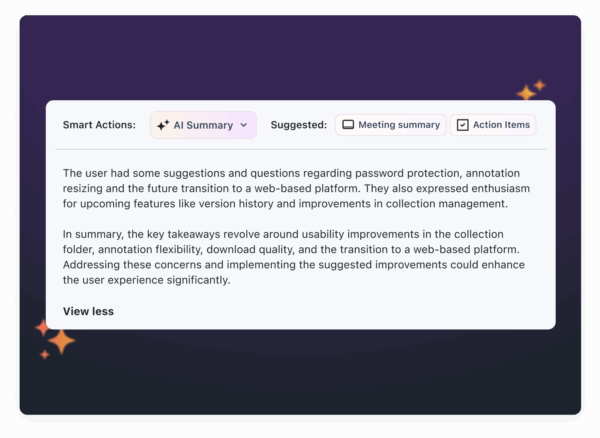
Its video summarization feature allows teams to quickly pinpoint key discussion points and emotional highlights from lengthy meetings or training sessions. When paired with sentiment analysis, these summaries can help identify discussions that may need follow-up or additional support.
Zight also integrates seamlessly with Slack and Microsoft Teams, enabling teams to share visual content like annotated images, clear screenshots, and step-by-step video guides. These tools help reduce the ambiguity often associated with text-based communication.
“The AI features you guys built are amazing for my use case, as I send a lot of videos to my team. It makes it nicer for them on the receiving end”, says Daniel R. Odio, CEO of Storytell.ai.
Conclusion
AI sentiment analysis is reshaping team communication by offering real-time insights into emotional tone and engagement trends. Teams that adopt these tools often experience noticeable improvements in how they collaborate, communicate, and address potential conflicts.
The numbers speak for themselves: 71% of leaders report better organizational communication after adopting AI, and 61% of knowledge workers rely on AI tools to boost productivity. These figures highlight the growing belief that AI-driven tools are instrumental in creating smoother and more efficient workplace dynamics.
One of the standout benefits of this technology is its ability to identify issues early. Instead of waiting for problems to escalate, AI sentiment analysis flags negative trends before they become bigger concerns. This proactive approach gives managers the chance to tackle challenges head-on, preserving team morale and productivity.
For organizations thinking about adopting this technology, the advantages are clear. Real-time sentiment tracking ensures continuous monitoring across all communications, bypassing the limitations of traditional surveys and avoiding survey fatigue. This constant oversight integrates seamlessly into existing workflows, making it easier for teams to adapt.
Platforms like Slack and Microsoft Teams make implementation even smoother, especially when paired with visual tools from Zight. Together, these tools create a well-rounded communication system that promotes both clarity and emotional awareness.
The ability to detect and address issues early is crucial for maintaining a positive team environment. With 85% of companies anticipating AI to positively impact their business within five years, sentiment analysis is a logical step toward fostering more empathetic, effective, and productive teams. By complementing human decision-making with actionable insights, this technology equips organizations to enhance communication and strengthen team dynamics.
FAQs
How does AI sentiment analysis ensure privacy when analyzing team communication?
AI-driven sentiment analysis can safeguard privacy by working with anonymized or aggregated data instead of delving into individual messages. These systems are often built to identify trends and patterns without retaining or revealing sensitive details. To further protect data, organizations can enforce strict access controls and encryption protocols, ensuring that any communication remains secure throughout the analysis process.
For tools like Zight, it’s a good idea to examine their privacy policies and security practices. This helps confirm they align with your team’s data protection requirements.
What should I look for when choosing an AI sentiment analysis tool for my team?
When picking an AI sentiment analysis tool for your team, it’s important to weigh a few critical factors to make the best choice:
- Accuracy and reliability: The tool should be capable of accurately analyzing text, picking up on subtle cues like sarcasm or emotions tied to specific contexts.
- Seamless integration: Make sure it works effortlessly with the platforms your team already uses, like Slack or Microsoft Teams.
- Customization features: The ability to adapt the tool to match your team’s communication style and specific needs is a big plus.
- Real-time feedback: Instant analysis can help address communication issues as they happen, improving interactions in the moment.
By keeping these points in mind, you can find a tool that strengthens teamwork, minimizes miscommunication, and helps your team feel more connected.
Can AI sentiment analysis tools integrate seamlessly with our communication platforms without disrupting workflows?
Many AI-powered sentiment analysis tools are built to work seamlessly with popular communication platforms such as Slack, Microsoft Teams, and Jira. This means teams can improve how they communicate without having to overhaul their existing workflows.
By integrating sentiment analysis directly into these tools, you can get real-time insights into team interactions, spot potential miscommunications early, and create a more cooperative atmosphere, all without dealing with complicated setups or major disruptions to your daily routines.