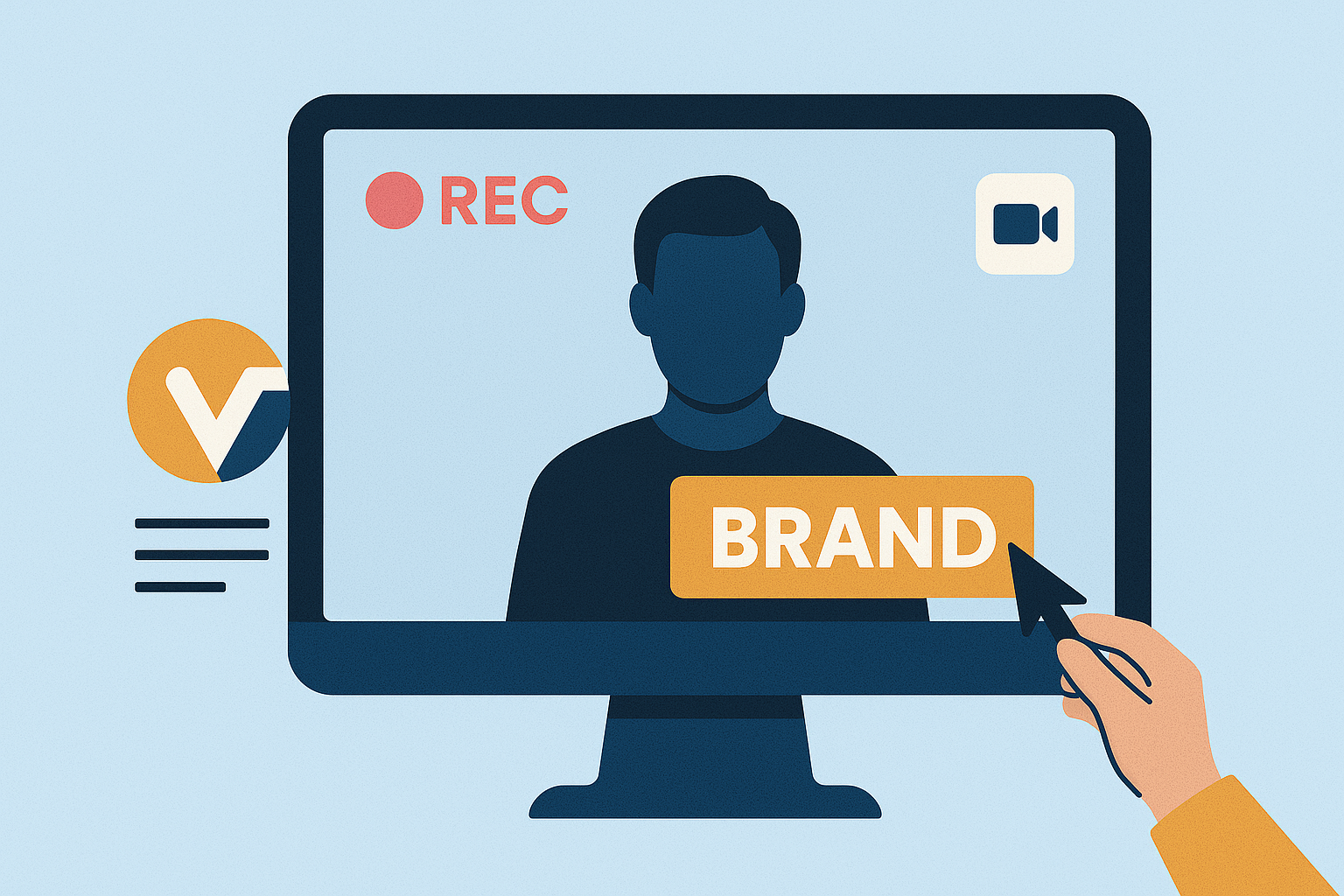
Custom branding transforms ordinary screen recordings into professional, brand-aligned videos that leave a lasting impression. By incorporating elements like logos, color schemes, and fonts, you can make your content recognizable, trustworthy, and visually consistent. This not only improves viewer retention but also strengthens your brand identity.
Here’s a quick breakdown of how to get started:
- Logos and Watermarks: Keep them visible but unobtrusive to maintain focus on the content.
- Color Schemes: Stick to your brand’s primary and secondary colors for consistency.
- Typography: Use the same fonts across all videos for a unified look.
Tools like Zight make it easy to integrate these elements, offering features like logo uploads, image overlays, and editing tools. By organizing your branding assets and following accessibility guidelines, you can create polished videos that engage your audience and reinforce your brand identity.
Custom branding isn’t just about visuals – it’s about building trust and making your content stand out.
Custom Branding Basics
What is Custom Branding?
Custom branding in screen recordings is all about weaving your brand’s identity into your videos. This means incorporating elements like logos, watermarks, overlays, and consistent color schemes to reflect your brand’s personality. By doing this, you turn simple recordings into polished marketing tools that not only look professional but also strengthen your brand’s credibility in the eyes of your audience.
When viewers see your branding seamlessly integrated into your content, it creates a connection between the quality of your videos and the reliability of your organization.
Key Branding Elements to Include
To create a cohesive and recognizable look for your screen recordings, focus on these essential branding components:
- Logos and Watermarks
Keep your logo or watermark visible but subtle. It should be prominent enough to reinforce your brand without distracting from the main content. - Color Schemes
Stick to your brand’s primary and secondary colors throughout the video. This consistency helps reinforce your visual identity and makes your content instantly recognizable. - Typography and Fonts
Use the same fonts across all your recordings. This not only ties your videos together but also makes your content more identifiable to your audience.
Benefits of Custom Branding in Screen Recordings
Custom branding does more than make your videos look good – it signals professionalism and builds trust with your viewers. It also helps your content stand out by showcasing your brand’s unique style and personality.
Up next, we’ll dive into how to prepare high-quality assets that will bring your branding vision to life.
Preparing Your Branding Assets
When it comes to custom branding, having well-prepared assets is essential to ensure every detail aligns with your brand’s identity. High-quality branding assets can make a significant difference in your screen recordings. For example, videos with text overlays or closed captions tend to have a 28% longer view time.
Creating or Sourcing High-Quality Branding Assets
To achieve a polished look, focus on using sharp images and graphics. Blurry or pixelated overlays can undermine your video’s professionalism. If you’re incorporating animations, save them in MP4 format, and always match the overlay aspect ratios to your video dimensions to avoid any distortion.
Organizing Branding Materials
Keep your branding materials well-organized and test them across multiple devices. This step ensures your content remains consistent, no matter where it’s viewed.
Choosing Brand Colors and Fonts
For maximum readability, use high-contrast combinations between text and backgrounds. Stick to clean and legible sans-serif fonts, such as Arial or Roboto, for a professional and cohesive look. When adding overlays, adjust their opacity to subtly reveal the video beneath. You can also incorporate smooth motion effects, like fade-ins, to reinforce your brand’s style. Lastly, position branding elements thoughtfully so they don’t block important visuals.
With your branding assets ready, you’re all set to integrate them seamlessly into your screen recordings using Zight.
How to Add Custom Branding Using Zight
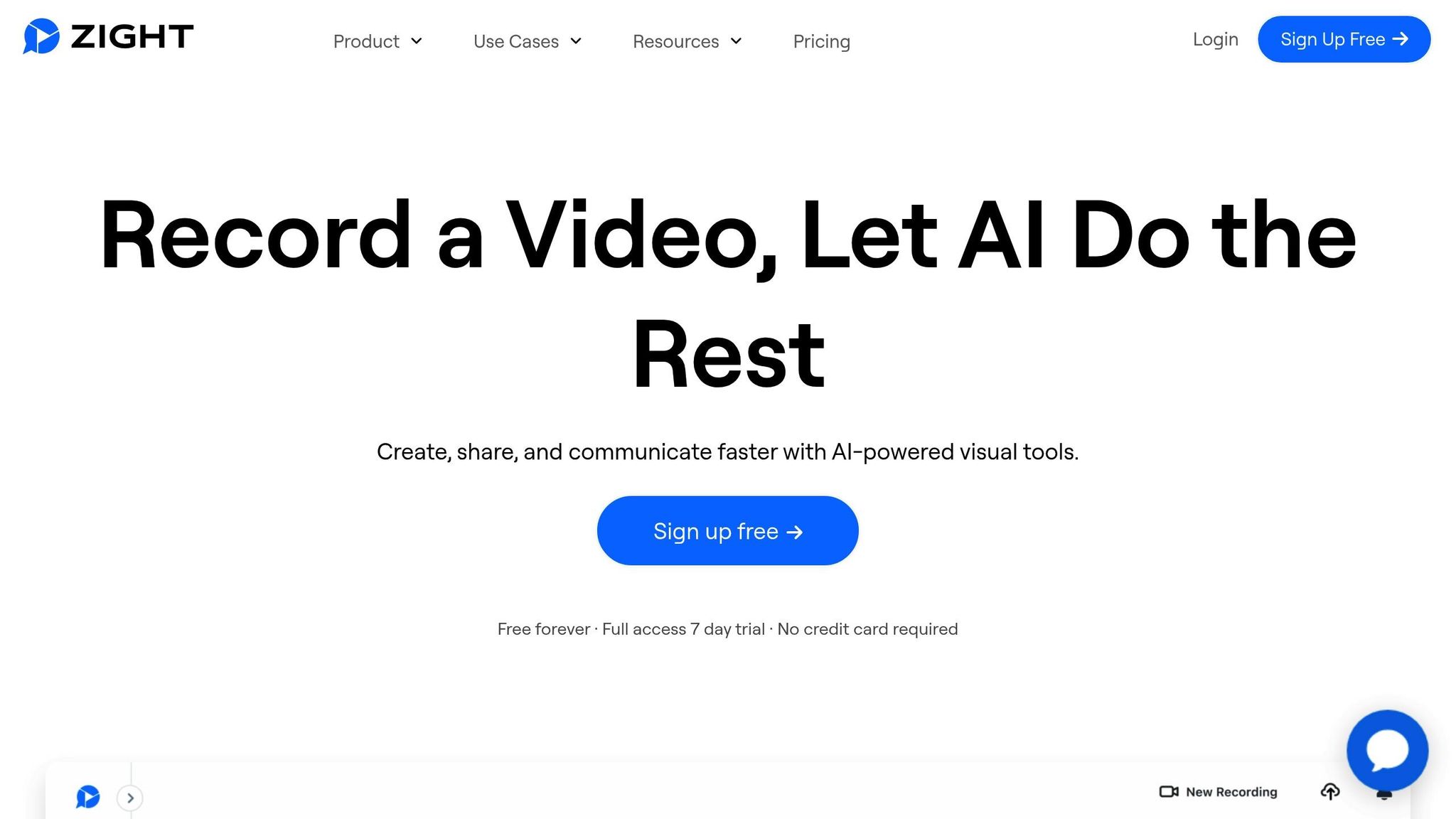
With Zight, organizing and integrating your branding elements into screen recordings becomes a smooth and efficient process. Whether you’re creating quick tutorials or professional presentations, Zight provides flexible quality options and powerful customization tools to help you deliver polished, branded videos. Here’s how you can make the most of these features.
Recording Your Screen with Zight
Zight makes screen recording straightforward and versatile. You can capture your screen, webcam, or both, depending on your needs. For video quality, Zight offers options like 4K, 1080p, and 720p. However, free and Chrome extension users are limited to 720p, while Pro, Team, and Enterprise accounts enjoy unlimited recording lengths.
If you’re using the Zight Chrome extension and notice blurry recordings on larger monitors, try adjusting your monitor resolution to 1280×720 or focus on recording just the browser window. These tweaks can significantly improve the clarity of your videos.
Adding Logos, Overlays, and Branding Elements
Once your recording is ready, it’s time to add your branding. To include a custom logo, head to your Zight dashboard. Click your name in the top-right corner, select “Team”, and navigate to the “Customize” tab. From there, upload your logo and even set up a redirect link, allowing viewers to click your logo and visit your website.
For more advanced branding, Zight’s image overlay tool lets you layer one image over another. Upload your base image and the overlay image, then adjust the overlay’s position and opacity as needed. Once satisfied, download the final result. When placing branding elements, ensure they complement your video without covering key content.
Customizing Your Video with Zight’s Tools
Zight offers additional tools to make your videos stand out while staying aligned with your brand. You can add call-to-actions, comments, and reactions to encourage viewer interaction. Zight’s AI-powered features, including smart titles, video summarization, auto-transcription, and AI translation, help simplify the process of creating detailed, branded content. For a seamless branding experience, you can also use custom domains and redirect URLs.
To refine your video further, Zight has editing tools that let you trim recordings, add annotations, and apply motion effects. These features ensure your video looks polished and professional before sharing it with your audience.
Exporting and Sharing Branded Videos
Once your video is finalized, Zight makes sharing effortless. Export your video and share links directly through Slack, Microsoft Teams, or email. Shared links automatically generate a thumbnail preview, helping your branded content grab attention. You can choose between a condensed shared link, a direct link, or even copy the video content itself to your clipboard for easy sharing. Zight’s multi-platform support ensures your videos maintain their quality and branding, whether viewed on Mac, Windows, Chrome, or iOS devices.
sbb-itb-5d91f01
Best Practices for Branded Screen Recordings
Creating branded screen recordings that look professional involves finding the right balance between visual appeal and functionality. Your branding should enhance the viewer’s experience without overshadowing the content itself. Here’s how to achieve that balance while keeping accessibility and legal compliance in mind.
Keeping Design Clean and Non-Obtrusive
The placement of your branding elements, like logos, can make or break the user experience. Aim to position them in areas that complement your content – typically in the top or bottom corners – where they won’t block important on-screen details. Resize your logo so it’s noticeable but not distracting. To further integrate branding without overwhelming the visuals, consider using semi-transparent overlays. Tools like Zight’s image overlay feature can help you adjust opacity levels for a polished look.
When it comes to color, coordination is everything. Select branding colors that either complement or contrast with your video content to ensure they remain clear without drawing too much attention.
Maintaining Accessibility and Professionalism
Accessibility isn’t just a nice-to-have; it’s essential. Roughly 15% of the global population lives with a disability, making it crucial to design screen recordings that can be enjoyed by all viewers.
Start with color contrast – a key factor in accessible design. Ensure there’s sufficient contrast between your branding and the background so that text and annotations are easy to read. According to the World Health Organization, more than 2 billion people worldwide experience some form of visual impairment, so this step is particularly important.
Choose clear, sans-serif fonts for any text overlays, and test them across different screen sizes and resolutions to ensure readability. Consistency is also critical. Create brand guidelines that specify logo placement, color codes, and font sizes to give all your recordings a cohesive and polished look. Remember to think about where your content will be viewed – a design that works well on a desktop might not translate smoothly to a smaller mobile screen.
Legal and Licensing Considerations
Beyond design and accessibility, don’t overlook the legal side of branded recordings. Using properly licensed branding materials is essential to protect your organization and avoid potential legal issues. Copyright violations can result in takedown notices, lawsuits, or damage to your reputation. Always verify that images, fonts, and audio used in your recordings are licensed for commercial video use, and keep documentation of these licenses on file.
Trademark compliance is equally important. If your recordings feature third-party software or websites, be mindful of how trademarks are displayed. Even when fair use might apply, avoid presenting other brands in a way that could imply endorsement without permission.
Lastly, maintain thorough records of all licensing agreements, receipts, and usage rights tied to your branding materials. Regularly auditing your assets ensures that licenses remain valid and that your content stays aligned with current regulations. This extra step can save a lot of headaches down the road.
Conclusion: Improving Your Videos with Custom Branding
Custom branding elevates your screen recordings into polished communication tools that strengthen your company’s identity and earn trust from your audience. It’s not just about making things look good – consistent branding across platforms can increase revenue by up to 23%, and branded content can improve recall by as much as 80%.
Zight makes this process effortless by combining screen recording, editing, and branding features into one easy-to-use platform. With Zight, you can upload your logo, customize share links with your domain, and incorporate your brand colors – no advanced video editing skills required. These tools let you focus on showcasing your brand without getting bogged down in technical details.
The real trick is finding the right balance between professional design and accessibility. High-quality logos, consistent use of colors, and thoughtful placement ensure your branding enhances your message rather than overshadowing it. Accessibility is also critical – your content should be inclusive and enjoyable for all viewers, including those with disabilities.
Getting started with branded screen recordings is simple. By organizing your assets and maintaining a consistent design, you can ensure every video you share represents your brand effectively. Whether you’re working on sales demos, training sessions, or client presentations, branded recordings help build trust and make your content instantly recognizable.
The effort you put into custom branding pays off through greater engagement, stronger brand recognition, and a more professional image.
FAQs
How can I make my screen recordings accessible to everyone, including people with disabilities?
To make your screen recordings accessible to everyone, including individuals with disabilities, it’s crucial to incorporate captions, transcripts, and audio descriptions. Captions should be precise, easy to read, and include details about significant non-speech sounds to assist viewers with hearing impairments. Transcripts, on the other hand, offer a written version of the content, benefiting those who prefer reading or rely on screen readers.
For viewers with visual impairments, make sure to clearly describe any on-screen visuals in the audio. Additionally, steer clear of flashing or flickering effects, as these could potentially trigger seizures. Taking these steps ensures your content is inclusive, aligns with accessibility standards, and can be enjoyed by a broader audience.
How can I organize and manage branding assets to ensure consistency across all videos?
To keep your videos visually consistent, start by setting up a centralized library for your branding essentials – logos, color schemes, and templates. This way, your team can always access the most up-to-date and approved versions of these assets.
Next, put together clear brand guidelines that explain how to use these assets properly. Include specifics like where logos should be placed, which fonts to use, and how to combine colors. This will help maintain a polished and unified appearance across all your content.
Make it a habit to review and update your assets regularly. Remove anything outdated to avoid mismatches, and consider using tools with version control to track changes. This will help keep your branding consistent and prevent any unapproved edits from slipping through.
What legal guidelines should I follow when adding custom branding to my screen recordings?
When incorporating custom branding into your screen recordings, it’s crucial to stay within legal boundaries to avoid potential problems. Make sure any logos, images, or branding elements you include are either your own, properly licensed, or explicitly approved for use. Using copyrighted material or trademarks without permission can result in legal issues, including claims of infringement.
It’s also wise to double-check that your branding aligns with intellectual property laws. If you’re uncertain about the rules, seeking advice from a legal expert can help ensure your content is both original and legally compliant.