
- Why It Matters: Metadata organizes, tracks, and governs data across platforms, helping businesses meet regulations like GDPR and CCPA. It also reduces costs by identifying unused resources and simplifying data discovery.
- Current Landscape: Modern tools automate metadata tasks, offering real-time monitoring, lineage tracking, and policy enforcement. Demand for these systems is growing, with Asia Pacific seeing a projected 22.7% market growth by 2030.
- Future Trends: AI-powered tools, active metadata systems, and privacy frameworks are reshaping the field. These innovations streamline governance, enhance security, and improve decision-making speed.
Key Trends in Metadata’s Future
Over the next decade, three major trends, AI automation, real-time active metadata, and stronger privacy frameworks, are set to reshape cloud metadata management. These changes aim to make metadata smarter, faster, and more secure, building on current practices to better support data management in the cloud.AI-Powered Metadata and Automation
Artificial intelligence is transforming metadata management by taking over repetitive tasks, enabling continuous and efficient operation. AI-driven tools can now classify, enrich, and update metadata automatically, making data discovery quicker and more precise. This shift marks a move away from traditional, manual methods. Currently, 80% of organizations prioritize metadata, and 98% of IT centers are pursuing generative AI initiatives. For instance, AI-powered data catalogs use machine learning to uncover data relationships and recommend metadata tags. Tools like CLAIRE and Azure Purview streamline metadata discovery and lineage mapping across large, multi-cloud environments. AI is also enhancing video content management. Platforms such as Zight use AI to generate smart titles and video summaries, making recorded content easier to search. They also offer auto-transcription and translation in over 50 languages, creating detailed metadata for global accessibility.“This is the most useful implementation of AI I have ever seen. I recently recorded a different video using Zight and used Gemini to do the write-up for our onboarding manual, but this is brilliant because it captures all the nuances without me having to instruct Gemini what the nuances are”, says Dillon Chi, UX Researcher at BeenVoyage.Still, challenges persist. While 75% of companies are adopting generative AI, many struggle with technical debt and compliance issues. These hurdles highlight the need for real-time and proactive metadata systems.
Real-Time Monitoring and Active Metadata
One of the most significant shifts in cloud data management is the move from passive to active metadata. Active metadata systems continuously update, monitor, and trigger real-time actions across cloud environments. Gartner describes active metadata as enabling “continuous access and processing of metadata that support ongoing analysis over a different spectrum of maturity, use cases and vendor solutions”. These systems allow organizations to identify data quality issues, detect security breaches, and address compliance violations as they happen. For example, when sensitive data is accessed improperly or quality metrics fall below acceptable thresholds, active metadata systems send alerts and can even automate fixes, minimizing downtime and preventing data loss. Real-time monitoring also supports sub-second insights and detailed audit trails in event-driven architectures. This continuous flow of metadata provides the context and lineage that AI systems need for reliable operations, while analytics platforms rely on it for ongoing monitoring and decision-making. Transitioning to active metadata requires robust infrastructure and careful planning to ensure systems can handle continuous processing without sacrificing performance, especially in multi-cloud setups. As these systems enhance operational responsiveness, they also create opportunities for improved privacy controls.Better Privacy and Compliance with Metadata
Metadata is becoming increasingly important for privacy protection and regulatory compliance, especially as regulations like GDPR, CCPA, and HIPAA grow stricter. Organizations now rely on metadata to identify, classify, and track sensitive data throughout its lifecycle. By 2025, it’s predicted that 85% of organizations will implement AI-specific governance to ensure compliance and reliability, and 74% will extend governance policies to nonproduction environments. Metadata plays a critical role in compliance by creating audit trails and tracking data lineage. Automated policies driven by metadata can handle tasks like data masking, retention, and deletion, strengthening both privacy and security controls. Cloud-based tools are also introducing advanced privacy features. Some platforms now offer options to blur or redact sensitive information in screenshots and videos before sharing. As Luisa Zapata García, Strategic Customer Success Manager at Globalization Partners, explains, “you can ‘pixel’ all the sensitive information perhaps you don’t want to share”.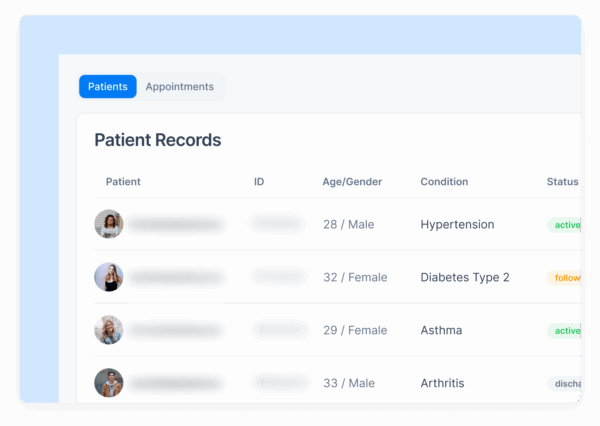 Even with these advancements, trust in data remains a challenge. Currently, 67% of organizations report lacking confidence in their data for decision-making, up from 55% in 2023. To address this, many are adopting customizable sharing settings and administrative controls to manage access and roles within cloud systems, ensuring sensitive information stays secure while enabling collaboration. Looking ahead, the future of privacy and compliance will depend on automated metadata systems that can adapt to changing regulations and organizational needs. As Justin Cash, Product Support Lead at L2, notes, “redacting any personal client information is a breeze” when the right metadata tools are in place.
 Best Practices for Enterprise Metadata Governance
As businesses increasingly rely on multiple cloud environments, having a solid metadata governance framework is critical. It helps maintain data quality, ensures compliance, and supports operational efficiency.Building Scalable Metadata Governance Systems
To create a scalable governance system, start by establishing clear data ownership roles. Assign data stewards who are well-versed in both the technical and business aspects of your data assets. These stewards act as a vital link between IT teams and business users, ensuring metadata remains accurate and relevant across the organization. Standardized metadata models are also key. Define common data types, naming conventions, and classification schemes to maintain consistency across business units. This standardization simplifies collaboration and ensures that everyone speaks the same “data language.” Automating data lineage tracking is another essential step. Modern tools can automatically map how data flows from its source to its destination. This visibility makes it easier to trace dependencies, locate the root cause of quality issues, and understand how transformations affect your data. Automation doesn’t stop there. By automating metadata collection and validation, organizations can reduce the manual workload while improving accuracy. Automated systems can profile new data, suggest classifications, and flag quality issues, saving teams time and effort. Finally, governance policies must be adaptable. Whether dealing with cloud-native applications or legacy systems, your framework should accommodate diverse data formats, storage methods, and access protocols. This adaptability ensures your policies remain effective as your technology evolves. These strategies lay the groundwork for connecting metadata seamlessly across various cloud platforms.Connecting Metadata Across Multi-Cloud Systems
Managing metadata in multi-cloud environments comes with unique challenges, but there are effective ways to address them. Open metadata standards like OpenMetadata and Apache Atlas are invaluable. They create a common framework that allows different cloud platforms to communicate and integrate smoothly. Another critical tool is API-driven metadata exchange. This enables real-time synchronization between platforms, eliminating the need for manual updates. Automated workflows ensure that metadata changes in one system are instantly reflected across others, reducing errors and saving time. Centralized metadata repositories, or the “catalog of catalogs” approach, can also unify fragmented metadata. Instead of navigating multiple platforms to find data, users can access a single interface that provides a complete view of all data assets, regardless of where they are stored. Data mapping and transformation tools are essential for harmonizing metadata across platforms. These tools ensure that a customer record, for example, looks the same whether it’s in an on-premises database or a cloud warehouse. This consistency is crucial for maintaining data quality and enabling cross-platform analytics. Security is another important consideration. Using secure API gateways and encrypted connections ensures that sensitive metadata remains protected during synchronization processes.Using Active Metadata for Automation
Active metadata systems take metadata governance to the next level by automating tasks that traditionally required manual effort. Unlike static metadata, active metadata continuously monitors and reacts to changes in the data environment, streamlining governance processes. For instance, active metadata can automatically identify quality issues or compliance risks in real time. When problems arise, the system can flag the issue, notify the appropriate team, and even trigger corrective actions. This proactive approach prevents small issues from escalating into major problems. Compliance monitoring becomes far more efficient with active metadata. These systems can automatically generate audit trails, documenting data access patterns, transformation processes, and retention policies. This is especially valuable as 85% of organizations plan to adopt AI-specific governance to ensure compliance and reliability. Training and documentation are equally important for successful active metadata implementation. Tools like Zight can help teams create step-by-step guides and screen recordings to explain governance workflows, making it easier for new members to get up to speed. Active metadata can even support predictive analytics. By analyzing historical data usage, quality metrics, and compliance events, these systems can forecast potential governance issues and recommend solutions before they become problems. To implement active metadata effectively, start small. Focus on high-priority use cases, such as monitoring sensitive data or performing critical quality checks. As your confidence in automation grows, gradually expand the system’s scope to cover more areas.